


Hotline: + 49 40 8707 5569
Mon. – Fri. 9:00 - 18:00 p.m.
Email: info@dt-handel.com
Website: www.dt-handel.com
Consulting
Process optimization

Before buying software, it pays to look at the process behind it. Often the delay is not the program but the fact that one order passes through four pairs of hands and gets typed in twice. We look at processes like that and tidy them up.
How we work:
- Recording: we walk through the whole process once, from order to invoice, and note where things sit around or get done twice.
- Goal: you say what matters. Lower cost, shorter turnaround or fewer mistakes are different goals and lead to different solutions.
- Proposal: we show two or three routes, with effort and cost next to each. Sometimes a different order of steps is enough, sometimes it takes a different program.
- Rollout: the new process goes live and is practised with the people who use it every day. Without that step a team falls back into the old habit within two weeks.
- Checking back: after a few weeks we look together at whether the new process does what it should. If not, we adjust it.
ITIL V4
ITIL V4 is a set of rules for how IT services are organised: who takes a fault report, how changes are approved, what happens when something fails. We work along those lines without handing you a 34-part manual.
What reaches you from it:
- One place where all reports go. No mix of corridor conversations, WhatsApp messages and notes on paper.
- Clear responsibility for every system: who looks after it, who approves changes, who gets called at the weekend.
A traceable path from problem to solution, so the same fault is not investigated three times over. - Changes are announced and documented. After an outage you then know what was touched the day before.
The scope follows your size. A company with 15 people does not need a procedure built for 500. - What you get from it:
Faults are resolved faster, because it is clear who does what and where to look.
Advice on buying hardware
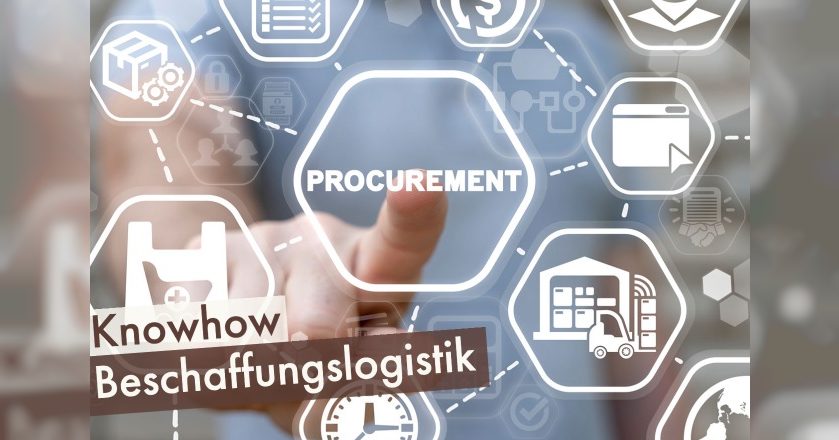
We tell you which devices you need and order them for you if you want. The point is not the most expensive equipment but devices that fit the work and still have spare parts in three years.
- How a purchase runs:
- Needs analysis:
- We count up how many people work with what and which programs have to run. Plus the question of whether more workstations are coming in the next two years.
- Budget planning:
- We work with what you can spend and name the follow-up costs straight away: extended warranty, maintenance, later upgrades.
- Market research:
- We compare offers and tell you where the price difference comes from the technology and where it comes from the name on the case.
- Supplier selection:
- We order from dealers who can still be reached in a warranty case. For servers and laptops we look at on-site service and at the response time in the contract.
Compliance and IT security to ISO/IEC 27001
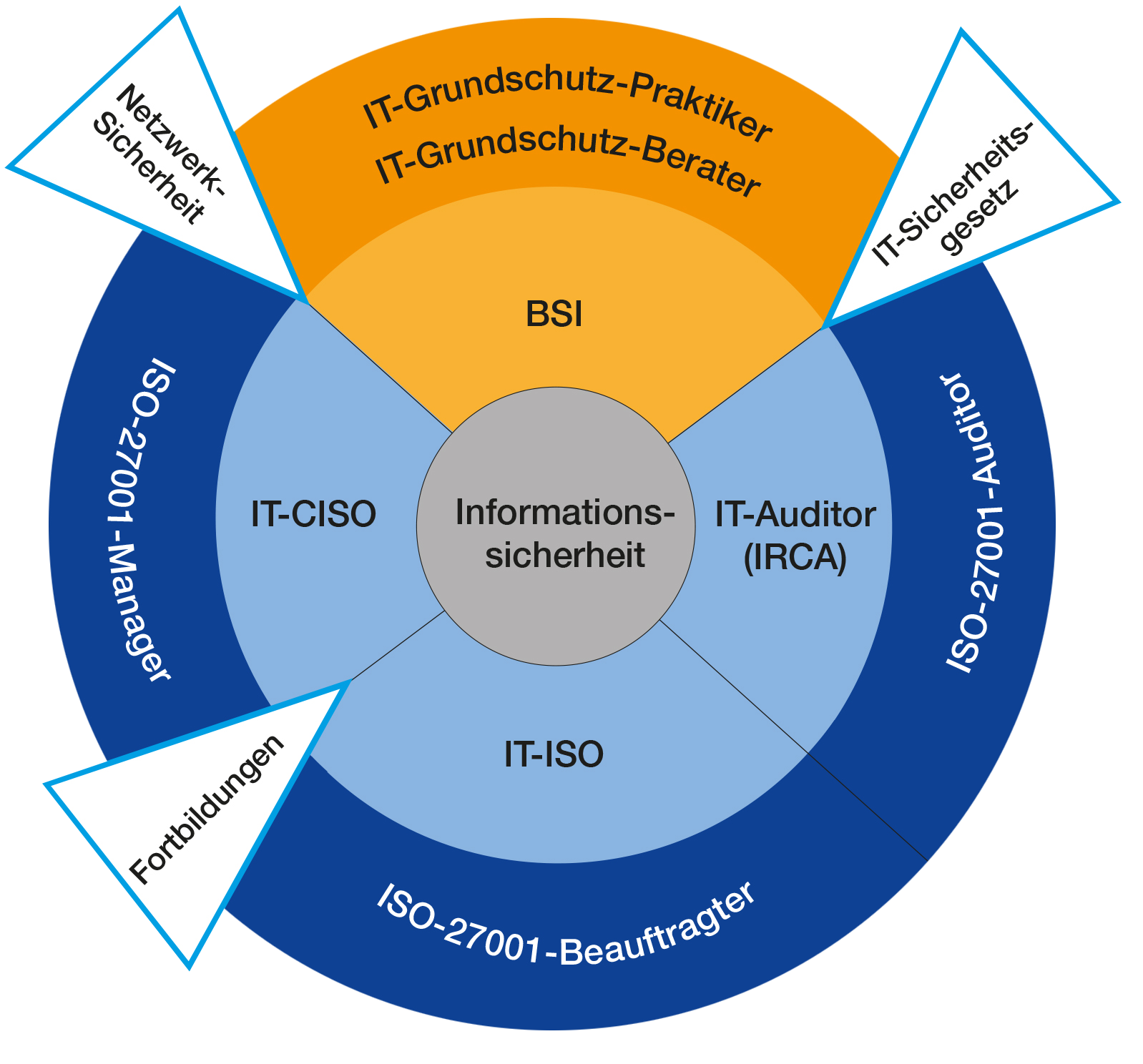
ISO/IEC 27001 is the international standard for information security. It requires a company to know which data it holds, who has access to it and what happens in an incident. Our team is certified to ISO/IEC 27001 and sets up the points that are either mandatory or sensible for your business.
What it covers:
- Risk management:
- Naming the risks: which data would be a problem if it were lost or ended up outside the company? That decides where the effort goes.
- Security policies:
- Writing down rules that hold up in daily work. A password policy nobody follows is no help in an emergency.
- Organizing information security:
- Setting out who is responsible for what, and training people. Most incidents start with an e-mail that someone opened.
Data and analyses

Numbers lie around in almost every company: in the till system, in accounting, in the shop, in the website statistics. They rarely sit side by side. We bring them together. Then you look in one place instead of four programs.
Three kinds of analysis:
- Descriptive analysis:
- What happened: revenue, orders and outages in hindsight. The simplest analysis, and the one most often missing.
- Diagnostic analysis:
- Why it happened: where exactly something drops, since when, and what happened at the same time.
- Predictive analysis:
- What is likely to come: an estimate for the next months based on previous years. Useful for purchasing and staff planning, not a crystal ball.